

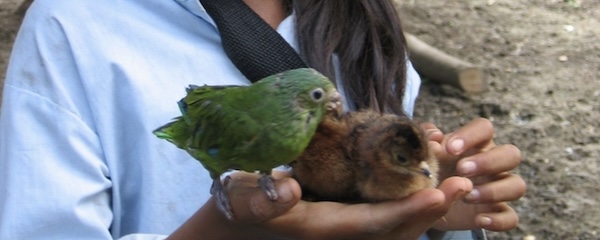
This presentation reflects on what I have learned from working with Indigenous people in the Western Amazon region of South America, Native North America and local activists in the Calumet region of Chicago. Conservation can be practiced in ways that look different from the conventional image of protecting pristine nature, but still embody a respect and care for our environment that nourishes us and is essential to our well-being.
Alaka Wali is curator emerita of North American Anthropology in the Science and Education Division of the Field Museum. Alaka was born in India and came to the United States as a child.
She was the founding director of the Center for Cultural Understanding and Change at The Field Museum from 1995-2010. During that time, she pioneered the development of participatory social science research and community engagement processes based in museum science. She curated the North American collection, one of the Museum's largest regional anthropology holdings. Since 2000, she has worked closely with ecologists and museum educators to develop innovative community engagement strategies for people living in and around biodiverse regions of the Western Amazon and urban Chicago, especially in the Calumet region. She has authored several books, and published monographs, and over 50 articles. She has curated numerous exhibitions,pioneering co-curated exhibitions with Native American contemporary artists. She led the curation of the new exhibition—Native Truths: Our Voices, Our Stories which opened in May 2022. A companion edited volume is available from BAR Publishing.

