

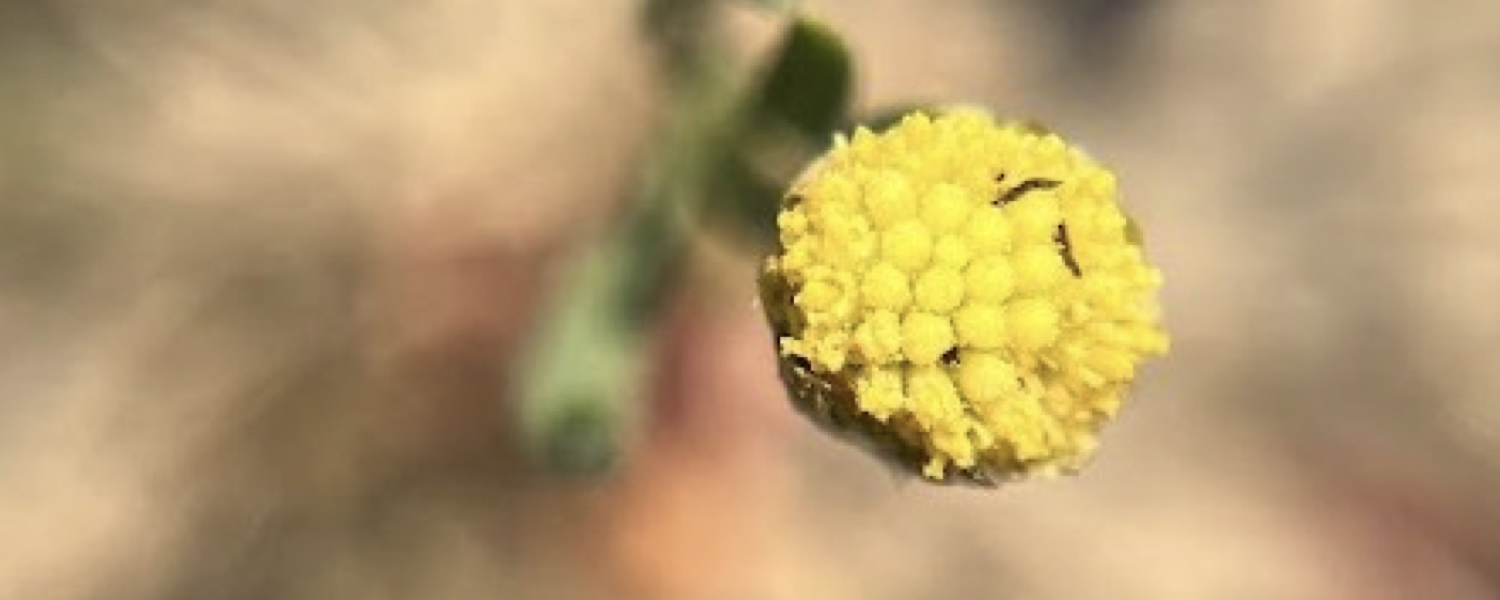
Thrips are the weirdest little pollinators you've never heard of! Usually disregarded as pests, these tiny insects have unique and complex relationships with plant species around the world. In this presentation, you will hear three stories about relationships between thrips and the plants they pollinate: 1) How Australian cycads use scent and heat to both attract and repel pollinating thrips: 2) How thrips play a crucial role in the mass flowering and reproduction of the dominant group of trees in South Asian rainforests; and 3)How we learn about thrips--the process of uncovering the connection between thrips and the rare and endangered wildflower, Texas prairie dawn.
Julia Freeman is a graduate student in the Department of Natural Resources and Environmental Sciences (NRES) at the University of Illinois Urbana-Champaign. She received her bachelor’s degree in Biology from Earlham College with a minor in Museum Studies. While at Earlham, Julia led regular programs for students and local community members at the Joseph Moore Natural History Museum. Prior to starting her master’s degree, Julia worked professionally for Taylor Studios, inc., a leading exhibit design and fabrication firm for museums and nature centers. At Taylor Studios, Julia received her Interpretive Planner certification (CIP™) and was privileged to work on interpretive exhibits across the country from Arkansas to South Dakota. From admiring fuzzy bumblebees in her parents' garden to spotting the innumerable cottontail rabbits of North Evanston, Julia has always loved celebrating and sharing the wonder of everyday nature. She was born and raised in Evanston and has resided in Urbana, Illinois for the last 7 years.

