

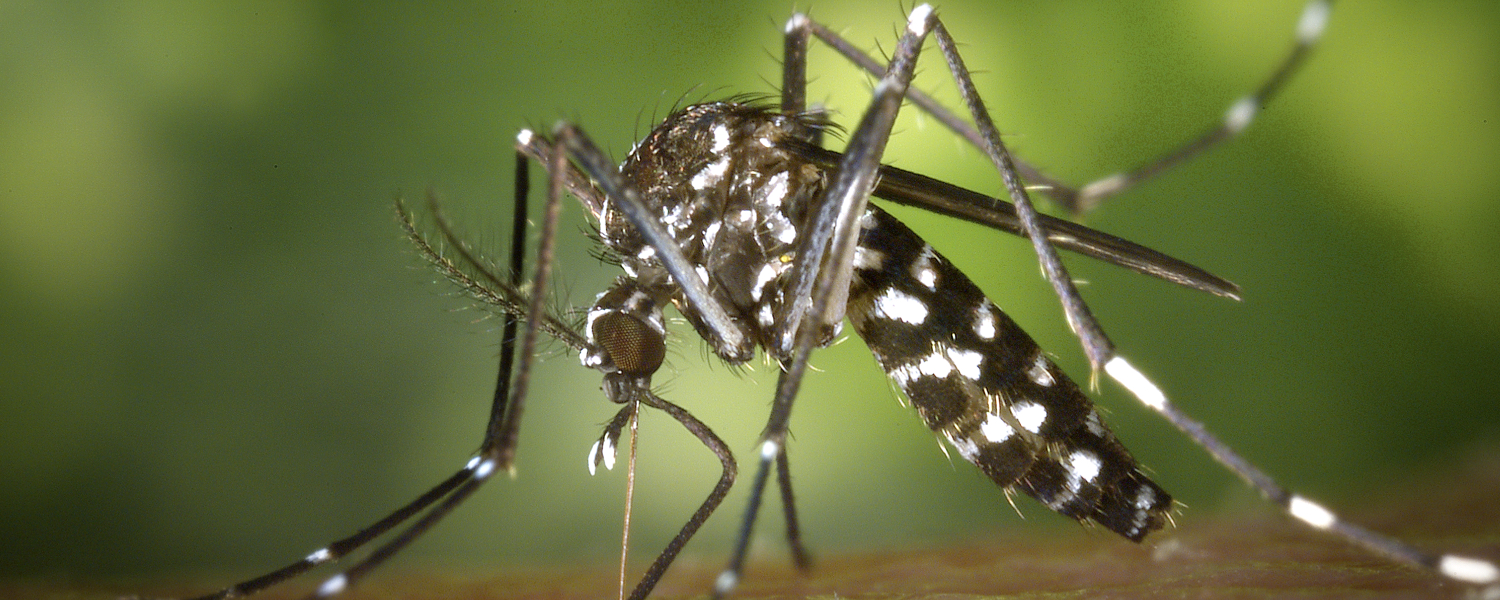
Evanston is changing, and so is the wildlife that lives alongside us. From the spread ofthe invasive Asian tiger mosquito to the unexpected establishment of blacklegged ticks in an urban setting, species once considered “elsewhere problems” are now part of the local landscape. This presentation looks at how these changes are happening, what role urban green space and climate play, and how emerging research, including a novel rat contraception study, is helping communities rethink how they manage pests while protecting public and environmental health.
Mark E. Clifton, Ph.D., is the Executive Director of the NorthShore Mosquito Abatement District in Illinois, where he leads an applied research and surveillance program focused on mosquito control efficacy,insecticide resistance, and arbovirus risk reduction under operational conditions. He received his Ph.D. in Biology from Florida International University, where his doctoral and postdoctoral research examined mosquito reproductive physiology and juvenile hormone regulation, and he has since authored more than 20 peer-reviewed publications spanning basic mosquito biology, resistance dynamics, larvicide and adulticide performance, and vector-borne disease risk. Prior to his current role, he served as Director of Research at the Collier Mosquito Control District and as an Assistant Professor of Biology. Dr. Clifton is actively engaged in national leadership and policy efforts related to vector control, serving as Chair of the American Mosquito Control Association’s Legislative and Regulatory Committee and as an advisor to the CDC Midwest Center of Excellence for Vector-Borne Disease, with ongoing research addressing resistance management, operational control strategies, and West Nile virus transmission dynamics.

