
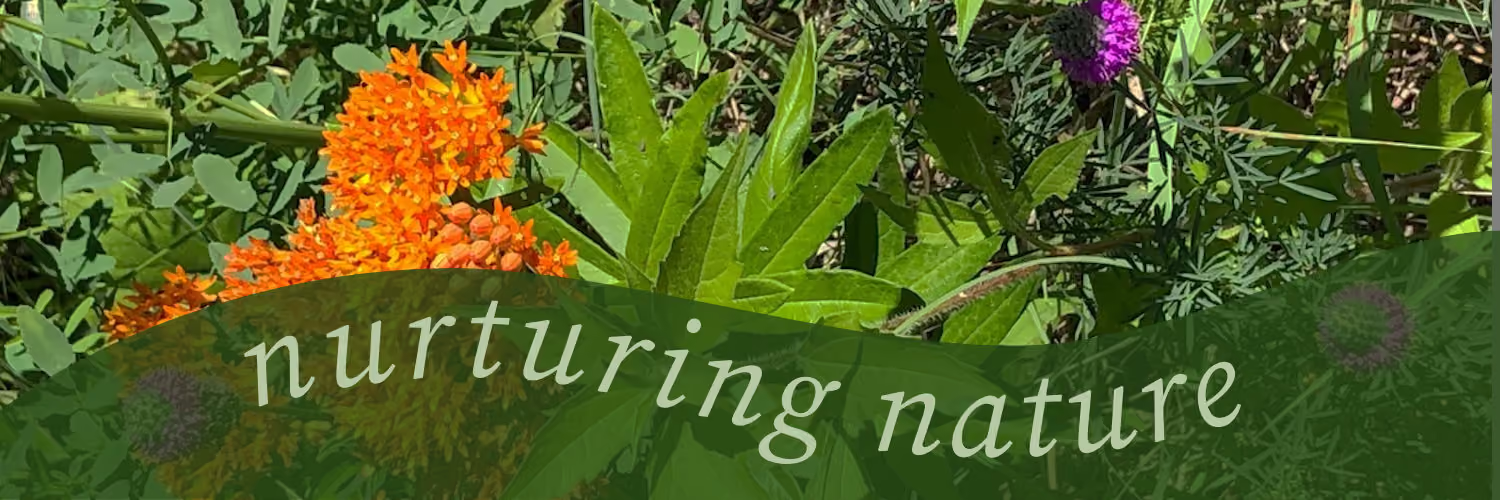

When we restore a landscape, what exactly are we trying to bring back? Traditional approaches often prioritize recovering historical ecosystems, but urban environments invite us to consider a more complicated picture: landscapes have been radically transformed, environmental conditions are changing, and the histories and priorities of human communities matter. In the Calumet region, slag barrens offer a compelling case study. Created by the steel industry, these landscapes now support distinctive plant communities, including rare native species.
Drawing onr esearch into the post-industrial landscapes of the Calumet Region, this session will explore how novel ecosystems expand our thinking about restoration and conservation. What opportunities and surprises might these overlooked habitats hold for ecological recovery and conservation in a human-altered world?
Alison Anastasio is an urban ecologist whose work focuses on urban ecosystems, spontaneous vegetation, and the ways people shape and are shaped by the landscapes they inhabit. She holds a PhD in Ecology and Evolution and spent more than a decade at the University of Chicago, where she taught and researched urban environmental systems. Much of her work has focused on Chicago and the Calumet Region, including research on post-industrial landscapes, urban greenspace, and ecological communities shaped by human land use. She now works as an environmental consultant specializing in biodiversity and ecology, and continues to pursue an eclectic practice of fieldwork, research, writing,teaching, and public engagement. Alison lives on the Far South Side of Chicago with her partner and two cats.

